How Florida Heat, UV and the Rainy Season Damage Asphalt
Florida pavement does not freeze, but it bakes and it soaks. Knowing how sun, heat and summer storms each attack asphalt tells you which maintenance matters most.
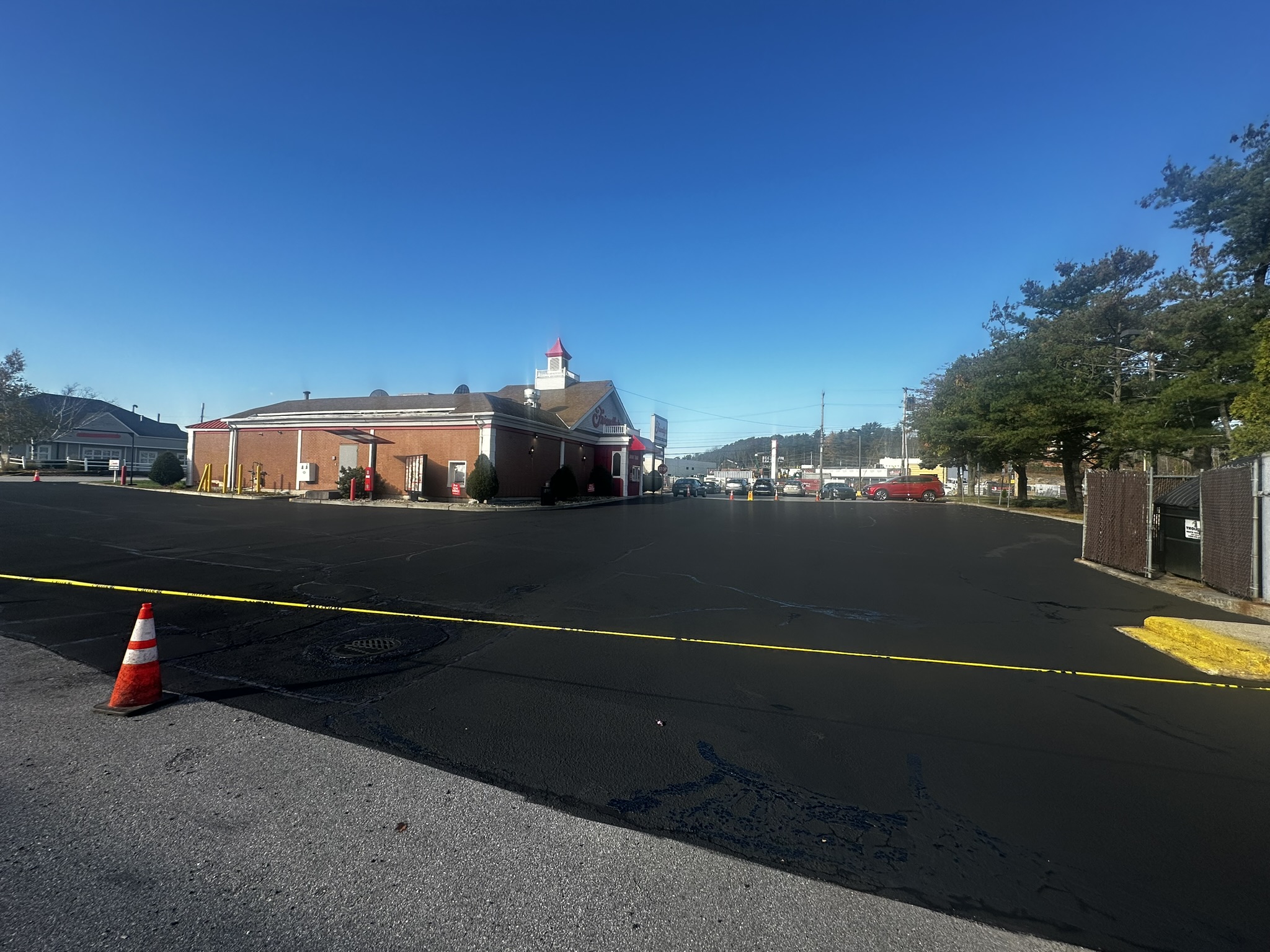
Short answer: in Central Florida, the sun oxidizes the asphalt binder and makes the surface brittle, summer heat softens pavement so heavy loads leave ruts, and rainy-season storms push water through cracks into the base. Sealcoating protects the surface from sun, crack sealing keeps water out, and good drainage keeps the base dry.
Owners who come from northern states are often surprised that pavement wears out quickly here even without snow, ice and salt. Florida's climate damages asphalt in different ways. A lot in Orlando, Kissimmee or Lakeland faces strong sun nearly all year, long stretches of heat, and a rainy season with frequent heavy afternoon storms. Each one causes a recognizable kind of damage.
Sun and UV: oxidation and raveling
Asphalt pavement is stone held together by asphalt binder, a petroleum product that starts out black and flexible. Ultraviolet light and heat react with the binder and oxidize it. Over time it loses its oils, turns gray, shrinks and becomes brittle.
What you see on the lot:
- Fading: the surface turns from black to gray, often within a few years on unshaded lots.
- Raveling: small stones loosen and come out, leaving a rough, sandy surface.
- Block and hairline cracking: the brittle surface shrinks and cracks into a grid.
What slows it: sealcoating. A sealcoat puts a sacrificial layer between the sun and the binder, and is renewed every few years as it wears. Our guide on when to sealcoat in Florida covers timing and intervals.
Heat: softening, rutting and scuffing
Dark asphalt absorbs heat, and on a summer afternoon the pavement surface is typically much hotter than the air; surface temperatures well above 140°F are commonly reported. At those temperatures asphalt softens. It does not melt, but it deforms more easily under load.
- Rutting and shoving: grooves and ripples where heavy vehicles stop, start or turn.
- Scuffing: power-steering marks where cars turn their wheels while parked.
- Depressions under point loads: dumpster wheels, trailer jacks and motorcycle stands can sink into hot pavement.
What helps: pavement built thick enough for its loads, and concrete pads where heavy point loads are unavoidable, such as dumpster enclosures and loading areas. See our concrete services for pads and curbs. Fresh asphalt is also softer for its first weeks, so avoid heavy, stationary loads on new pavement in summer.
Rainy season: water in the base
Central Florida's wet season runs roughly from June through September, with storms on many afternoons. A sound, sealed surface sheds this water. The damage starts when water finds a way down:
- Water enters through open cracks, worn joints and raveled areas.
- The base, commonly limerock or crushed material over sandy soil in this region, becomes saturated and loses strength.
- Fine material can wash out, leaving voids under the asphalt.
- Traffic flexes the unsupported surface, and cracks spread into alligator cracking.
- Pieces break loose and become potholes.
Low spots that hold water make this worse, because the water sits on the pavement for hours and finds every weakness. A high water table in many parts of the region also means the base can stay damp longer.
What helps: seal cracks before the rains start, keep inlets and swales clear, and fix ponding areas. Read crack sealing vs crack filling and fixing standing water for details.
Storms and hurricane season
Hurricane season officially runs from June 1 to November 30. Heavy storms can flood lots, wash out unsupported pavement edges along swales and retention areas, scour around inlets, and leave debris that clogs drains. After a major storm, walk the lot and check:
- Edges along ponds, ditches and landscaping for undermining
- Areas around inlets for new depressions
- Inlets and grates for debris
- Signs, wheel stops and speed bumps for damage
Spills, sprinklers and other local factors
- Oil and fuel: petroleum softens the binder, which is why parking stalls and drive-thru lanes wear first.
- Irrigation overspray: sprinklers hitting pavement edges every day keep them wet and speed up edge failure. Adjusting heads is a cheap fix.
- Tree roots: roots from oaks and other large trees can lift and crack pavement near islands.
Which parts of a lot wear first
Climate damage is rarely even across a property. On most Central Florida lots, the same areas show it first, and they are the places to watch on every walk-through:
- Unshaded rows facing full afternoon sun, which fade and ravel ahead of shaded areas
- Entrances and main drive lanes, where every vehicle turns, brakes and accelerates
- Dumpster enclosures and loading zones, where heavy trucks stop on hot pavement
- Low spots and areas near inlets, where water collects after storms
- Pavement edges next to grass, swales and irrigated beds
Treating those areas early, with crack sealing, a patch or a concrete pad, often extends the life of the whole lot, because the rest of the pavement is usually still in fair condition. It also lets a board spend a smaller amount in the right place instead of a large amount everywhere.
A climate-aware maintenance calendar
| Season | Focus |
|---|---|
| Spring (March–May) | Crack sealing, patching and sealcoating before the rains |
| Summer (June–September) | Clear inlets, watch for new potholes and ponding, patch hazards promptly |
| Fall (October–November) | Post-storm inspection, sealcoating and re-striping in drier weather |
| Winter (December–February) | Annual condition survey and budgeting for next year |
For a full schedule with intervals and budgeting, see the parking lot maintenance schedule for HOAs and property managers. GC Asphalt Services provides sealcoating, crack sealing and repairs across Orlando, Kissimmee, Lakeland, Winter Haven, Deltona and the other cities we serve. Request a written estimate.
Frequently asked questions
Why does asphalt turn gray in Florida?
Sunlight and heat oxidize the asphalt binder, the black, oily material that holds the stone together. As it oxidizes it lightens to gray, becomes brittle and starts to release surface stone. Sealcoating slows this by putting a protective layer over the binder.
Can asphalt melt in Florida heat?
Asphalt does not melt in normal weather, but it softens. Dark pavement in full summer sun can reach surface temperatures far above the air temperature, which is why heavy, slow or turning loads can leave ruts and scuffs on hot afternoons.
Does the rainy season damage asphalt?
Rain itself does little harm to a sound, sealed surface. The damage comes when water gets through cracks or worn areas into the base, or stands on the pavement, and saturates and weakens the material beneath.
Do hurricanes damage parking lots?
Storms can flood lots, wash out pavement edges, undermine areas near drains and leave debris that scrapes the surface. After a major storm it is worth walking the lot for new depressions, edge damage and clogged inlets.
What is the best protection for asphalt in Central Florida?
A combination of keeping water out and sun off the binder: seal cracks before the summer rains, sealcoat on a regular cycle, keep inlets clean so water drains, and repair damaged areas while they are still small.