Parking Lot Maintenance Schedule and Budget for HOAs and Property Managers
A pavement plan a board can approve: what to inspect, what to repeat on a cycle, and how to put money aside for the overlay that will come due.
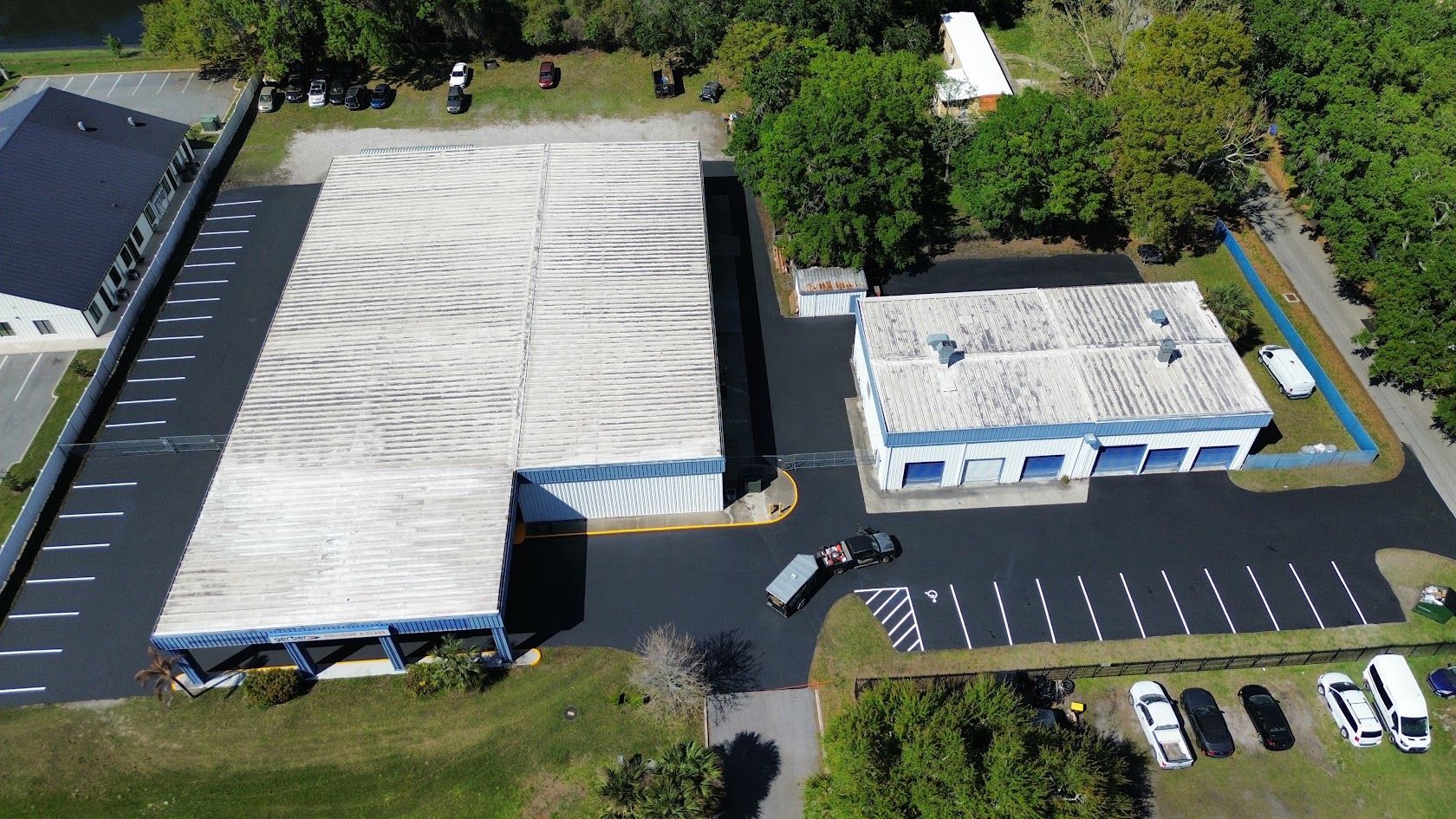
Short answer: walk the lot monthly, have it professionally inspected once a year, seal cracks every year or two, sealcoat every 2 to 3 years, re-stripe after each sealcoat, and fund a reserve for an overlay that typically comes due somewhere around year 15 to 25. Florida sun and summer rain push most of those intervals toward the shorter end.
For a homeowners association, condo community or commercial property, pavement is one of the few assets everyone uses every day and nobody thinks about until it fails. A written maintenance schedule changes that. It turns surprise repairs into planned line items, gives the board a number to put in the budget, and gives the manager a record to show owners when they ask why the money is being spent.
This guide lays out a practical schedule for parking lots and community roads in Orlando and the surrounding cities, from Winter Park and Lake Mary to Kissimmee and Clermont, and explains how to turn it into a reserve budget.
Why a schedule beats repairing as things break
Asphalt fails slowly and then quickly. The surface oxidizes in the sun, small cracks open, rain gets through to the base, and the base softens. Once the base is wet and weak, traffic breaks the surface into alligator cracking and potholes, and the repair is no longer a surface treatment but a dig-out.
Preventive work (crack sealing, sealcoating, keeping drains clear) is inexpensive per square foot and keeps the pavement in the stage where cheap treatments still work. Reactive work costs more per square foot, causes more disruption for residents and tenants, and is hard to budget because nobody knows when it will be needed.
A pavement maintenance schedule for Central Florida
These intervals are general industry guidance, not rules. Your lot's condition, traffic and drainage decide the real numbers.
| Task | Typical interval | Notes |
|---|---|---|
| Walk-through inspection | Monthly, and after major storms | Photograph new cracks, potholes, ponding and damaged signs. |
| Clean inlets and sweep | Quarterly; more often in leaf season | Blocked inlets are a leading cause of standing water. |
| Professional condition survey | Once a year | Written notes and a map of problem areas for the board. |
| Crack sealing | Every 1–2 years, as cracks appear | Best done before the summer rainy season. |
| Pothole and patch repair | As found | Treat as a safety item, not a budget item to defer. |
| Sealcoating | Every 2–3 years | After crack sealing and patching, in dry weather. |
| Re-striping | After each sealcoat, or every 2–3 years | Accessible spaces and fire lanes must stay clearly visible. |
| Mill and overlay | Often around years 12–20 | Only when the base is still sound. |
| Reconstruction | When the base has failed | Can often be delayed for years by the items above. |
What to look for on the monthly walk
- New cracks, especially ones wider than about 1/4 inch or ones that connect into a pattern
- Potholes, loose stone and crumbling edges along curbs and landscaping
- Puddles that remain a day after rain
- Faded stall lines, arrows, fire-lane markings and accessible-space symbols
- Damaged or leaning signs and broken wheel stops
- Oil and fuel stains, which soften asphalt over time
A phone photo with the date and location is enough. Over a year, those photos show the board exactly how an area is changing, which makes the case for repair far easier to approve.
Fitting the work around Florida weather
Central Florida's rainy season, roughly June through September, brings frequent afternoon storms. Sealcoat and paint need dry pavement and time to cure, so most communities schedule them between October and May. Crack sealing is ideally done before the rains start, because open cracks are how summer storms reach the base. Our guide on when to sealcoat asphalt in Florida goes through the month-by-month timing.
Plan around residents and tenants, too. Sealcoating closes sections for roughly a day. Splitting a community into phases, scheduling commercial lots on the slowest business days, and giving notice a week ahead prevents most complaints and towing disputes.
Turning the schedule into a reserve budget
A reserve budget for pavement is the schedule above with costs attached. The method is simple enough to do in a spreadsheet:
- List the components: each paved area, plus curbs, striping, signs and drainage structures.
- Assign an interval to each recurring task and a remaining useful life to the pavement itself.
- Get current costs from a written, on-site estimate rather than per-square-foot rules of thumb. Prices vary with site size, access and condition.
- Calculate the yearly contribution: the estimated cost minus what is already reserved, divided by the years until it is due.
- Review every year after the condition survey, and adjust both costs and remaining life.
How the math works: take the written estimate for the overlay, subtract what the association already has reserved for it, and divide the rest by the number of years until the work is expected. That gives the yearly contribution before allowing for inflation. Use your own on-site estimate, not a rule of thumb, because size, base condition, drainage and access change the figure. Request a free on-site estimate to get a current number for your property.
Florida condominium and homeowners associations have statutory rules on budgets and reserves (Chapters 718 and 720 of the Florida Statutes), and those rules have changed in recent years. How pavement is treated in your reserve study is a question for your community association manager, reserve specialist or attorney. A pavement contractor can supply the condition notes, intervals and current estimates that go into it.
Keeping records a board can use
- A site map with paved areas labelled and measured
- Dates and scope of every sealcoat, crack seal, patch and re-stripe
- Copies of estimates, invoices, warranties and certificates of insurance
- The annual condition survey, with photos
Those records also matter when a manager changes or a property is sold. They show the pavement has been maintained, and they keep the next contractor from guessing.
Managing several properties
Property managers responsible for multiple sites across Orlando, Sanford, Altamonte Springs or Kissimmee often save time by putting every site on one calendar with one contractor: one survey visit, one set of records, and work grouped by area. GC Asphalt Services builds parking lot maintenance programs for single lots and portfolios, including crack sealing, sealcoating and re-striping. See the cities we serve, or request a written estimate for your property.
Frequently asked questions
How often should an HOA parking lot be sealcoated in Florida?
A common guideline is every 2 to 3 years for community lots and roads, sooner on surfaces that get full sun and heavy traffic. The first sealcoat on new asphalt usually waits 6 to 12 months so the pavement can cure.
What should a pavement reserve budget include?
List each pavement component (crack sealing, sealcoating, re-striping, patching, curbs and the eventual overlay or replacement), give each a typical interval and a current estimated cost from an on-site estimate, then set aside enough each year to fund each item by the year it is due.
How long does an asphalt parking lot last in Central Florida?
With regular crack sealing and sealcoating, asphalt parking lots are commonly expected to last 15 to 25 years before a major overlay or reconstruction, but drainage, base quality and traffic loads change that number a great deal.
When is the best time of year to schedule parking lot maintenance in Orlando?
Sealcoating and striping are easiest to schedule in the drier months, roughly October through May. Crack sealing and patching can be done much of the year but need a dry surface, so summer work is usually planned for mornings.
Can one contractor handle maintenance for several properties?
Yes. Many property managers bundle inspections and recurring work for several sites into one plan, which keeps records consistent and lets the work be scheduled around tenants at each location.