Pothole Repair Options for Commercial Parking Lots
Not every pothole repair is the same job. The right method depends on how deep the damage goes, how busy the lot is and how long the fix needs to last.
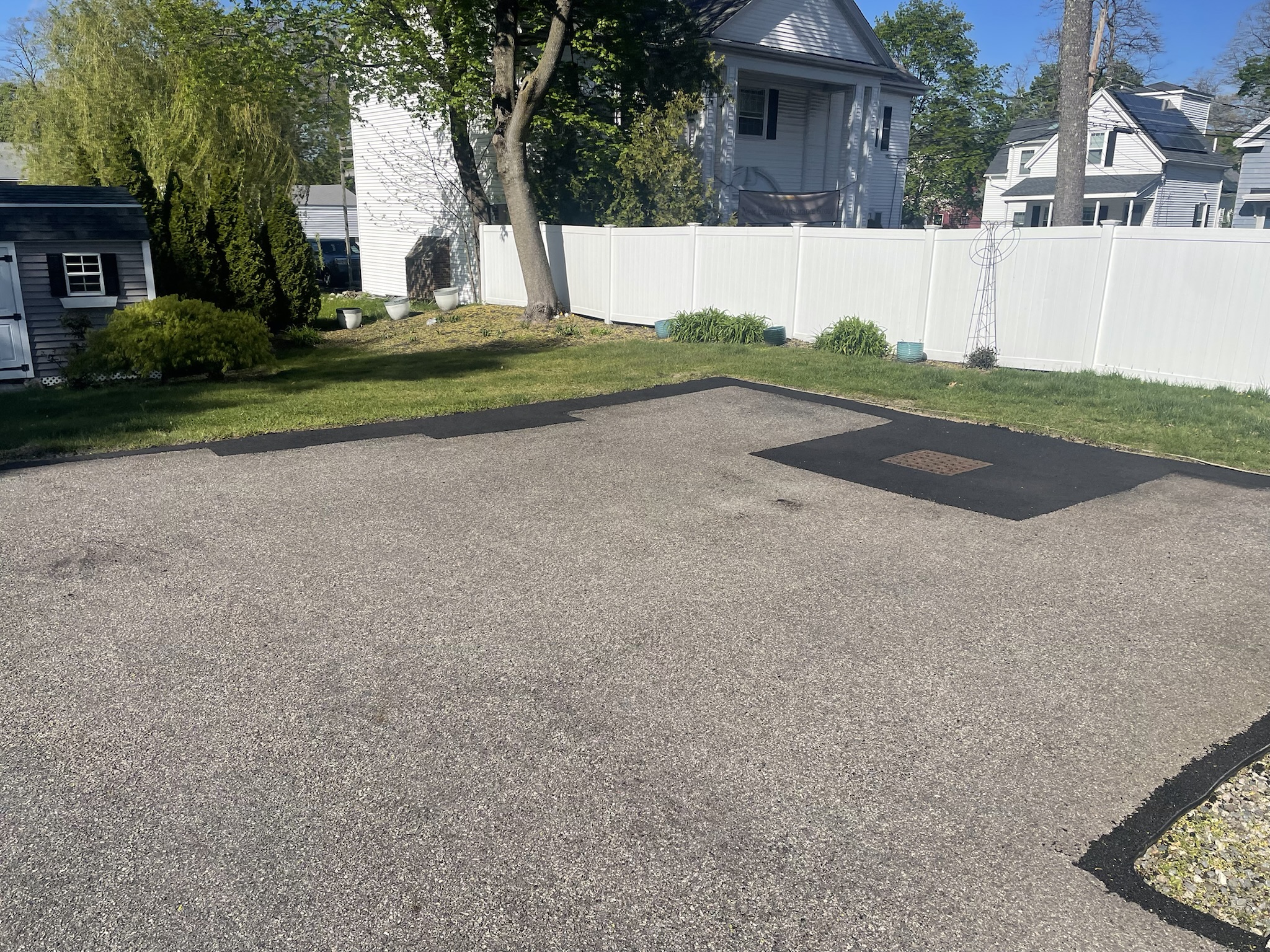
Short answer: use cold patch only as a temporary, emergency fix. Use a hot-mix or infrared patch when the damage is limited to the asphalt surface. Use a full-depth repair when the base underneath has failed, which is usually the case when a pothole sits inside alligator cracking or keeps coming back.
A pothole in a commercial parking lot is a safety and liability issue as much as a pavement one. It can trip a pedestrian, damage a tire and draw complaints from tenants. The pressure to fill it quickly is understandable, but the method chosen decides whether the repair lasts years or months. This guide compares the four common approaches for lots in Orlando and Central Florida.
Why potholes form in Florida parking lots
Most potholes start with water. Rain gets through a crack or a worn surface into the base. In Central Florida, that base is often limerock or crushed material over sandy soil, and when it is saturated it loses strength. Traffic flexes the unsupported asphalt until it breaks into pieces, and the pieces are carried away by tires. The rainy season, roughly June through September, is when many lots see new potholes appear in a matter of weeks.
Turning areas, dumpster pads, delivery lanes and spots where water ponds are the usual locations. If you see the same places failing every year, the problem is the base or drainage, not only the surface. Our article on parking lot drainage and standing water explains that side.
The four main pothole repair methods
1. Cold patch (temporary)
Cold patch is a pre-mixed asphalt that can be shoveled into a hole and tamped, even in wet weather. It is useful as an emergency fix to remove a hazard the same day. It does not bond well to the surrounding pavement and usually loosens under steady traffic, so it should be treated as a placeholder until a permanent repair can be scheduled.
2. Hot-mix surface patch
For damage limited to the asphalt layer, the area is cut back to sound pavement, cleaned, coated with a tack coat so the new material bonds, then filled with hot-mix asphalt and compacted with a roller or plate compactor. Square, straight edges and good compaction are what make the patch last. Done well, a hot-mix patch can last for years.
3. Infrared repair
An infrared heater warms the damaged area and its edges until the asphalt is workable. The crew rakes the softened asphalt, adds new hot mix and rejuvenator as needed, and compacts it. Because old and new asphalt are fused, there is no cold joint for water to enter, and the result is close to seamless. Infrared repair works well for surface potholes, raveled spots, trip hazards and low areas that hold water. It is not a fix for a failed base.
4. Full-depth repair (remove and replace)
When a pothole sits inside an area of alligator cracking, or keeps returning, the base has usually failed. A full-depth repair saw-cuts the area, removes the asphalt and the weak base material, corrects or replaces the base, compacts it, and places new hot-mix asphalt in layers. It is the most expensive method and takes the longest, but it is the only method that fixes the cause.
Comparing the methods
Typical characteristics from general industry practice. Cost and life vary with the size of the area, depth and traffic.
| Method | Best for | Typical life | Relative cost |
|---|---|---|---|
| Cold patch | Emergency hazard removal | Weeks to months | Lowest |
| Hot-mix surface patch | Surface damage, sound base | Several years | Moderate |
| Infrared repair | Surface potholes, low spots, seams | Several years | Moderate |
| Full-depth repair | Failed base, alligator cracking | Similar to new pavement | Highest |
How to choose for your lot
- Is it a hazard right now? Cone it off, and use cold patch if a permanent repair cannot be scheduled soon.
- Is the surrounding pavement sound? If the edges are solid and there is no alligator cracking around it, a hot-mix or infrared patch is usually enough.
- Does it keep coming back? Plan a full-depth repair and look for the water source.
- How many are there? Many patches across a lot, especially with widespread cracking, can be a sign the lot is nearing the point where an overlay or replacement is more economical. See overlay vs full replacement.
- How busy is the lot? High-traffic retail and delivery areas justify the more durable methods even for small holes.
Handling a pothole the day it is found
Until the permanent repair is done, treat a pothole as a hazard. Put cones or a barricade around it, note the date and location, and take a photo. If it is in a drive lane or walkway, a same-day cold patch is better than leaving an open hole. Keep the record of when it was reported, made safe and repaired; managers and boards are often asked for that history later. Questions about liability belong with your insurer or attorney.
Scheduling repairs around a busy property
Most surface patches can be done in sections, with cones and a few hours of closure. Full-depth repairs need a larger area closed for longer, so they are often scheduled early in the morning, on weekends, or on the slowest business day. Grouping all of a property's patches into one visit, ideally before a sealcoat, keeps disruption and mobilization to a minimum. Keep a dated photo of each repair; it helps when deciding later whether an area needs more than a patch.
GC Asphalt Services provides pothole repair, from surface patches to full-depth repairs, for commercial lots and communities in Orlando, Sanford, Lake Mary, Kissimmee, St. Cloud and the other cities we serve. When a lot needs ongoing attention, a maintenance program catches potholes while they are still small. Request a written repair estimate.
Frequently asked questions
What is the most permanent way to fix a pothole in a parking lot?
A full-depth patch: the failed asphalt is saw-cut and removed, the base is repaired and compacted, and new hot-mix asphalt is placed and rolled in layers. It costs more than a surface patch but addresses the cause when the base has failed.
Is cold patch a permanent pothole repair?
Generally no. Cold patch is a temporary, emergency material that fills a hole quickly, including in wet weather. It often loosens under traffic and should be followed by a hot-mix or full-depth repair.
What is infrared asphalt repair?
Infrared repair heats the damaged area and its edges, the old asphalt is raked and mixed with new hot asphalt, and the area is compacted. It leaves a seamless joint and suits surface defects, but it does not fix a failed base.
How long does a parking lot pothole repair take?
A single surface patch can often be completed and opened to traffic within a few hours. Full-depth repairs take longer because of excavation and base work. Several patches across a lot are usually scheduled in one visit.
Why do potholes keep coming back in the same spot?
Usually because water is still reaching a weak base, from a nearby crack, a low spot that ponds or a drainage problem. Patching the surface without fixing the base or the water source tends to give the same result again.